
Introduction
WHEN A BELOVED VOICE IS PULLED INTO POLITICS — AMERICA'S DEEPEST DIVIDE MAY BE ABOUT TRUST, NOT PARTY
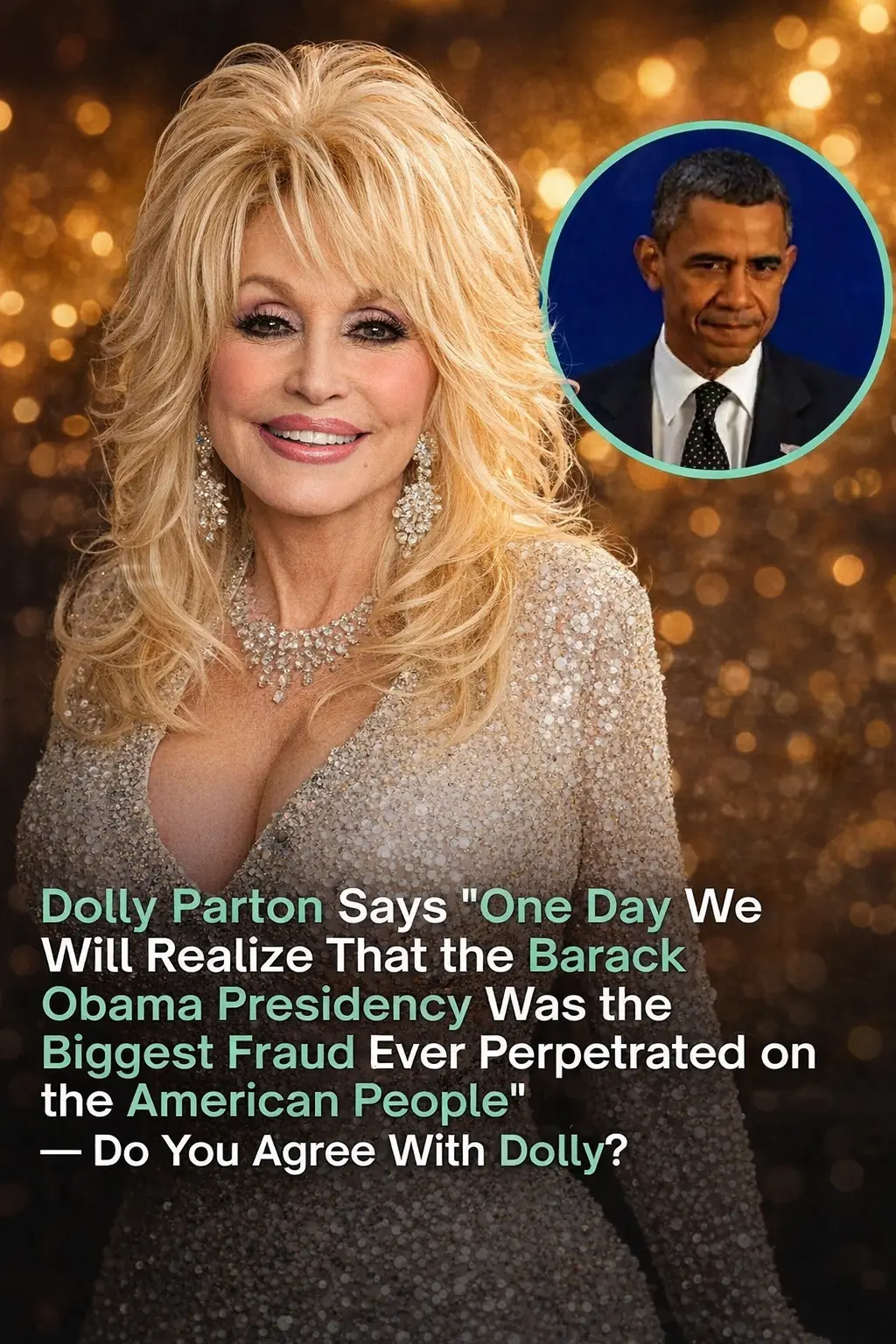
In today's America, it does not take long for a rumor to become a headline, a headline to become an argument, and an argument to become a test of identity. That is why stories involving beloved cultural figures carry such unusual force. When a name as cherished and familiar as Dolly Parton is suddenly placed at the center of a political firestorm, the reaction is rarely casual. It is emotional. It is immediate. And for many people, it feels personal.
That is because Dolly Parton has never existed in the public imagination as just another celebrity. For generations of Americans, she represents something gentler and steadier than the noise of daily politics. Her voice has lived in homes, long drives, family kitchens, and quiet seasons of life. She is tied not merely to entertainment, but to memory. So when political claims begin circulating under her name, people do not respond as though they are evaluating an ordinary news item. They respond as though something intimate has been touched.
And that is where this moment becomes larger than one viral claim or one disputed headline.
What America is really wrestling with is not only politics. It is trust.
Across the country, many citizens remain deeply frustrated by the promises of modern leadership. Some look back on previous administrations and see years of rising costs, cultural division, weak decision-making, or institutions that no longer seem to serve ordinary people. Others look at the same years and see stability, progress, and meaningful attempts to govern through difficulty. The disagreement is not small. It reaches into people's understanding of fairness, patriotism, economic security, and what kind of country they believe America should be.
In that kind of atmosphere, celebrity voices become powerful symbols. Not always because they are experts. Not always because they say something new. But because they give emotional form to what millions are already feeling.

That helps explain why so many unverified political stories spread so quickly when attached to famous names. People are not only sharing information. They are sharing affirmation. They want confirmation that someone admired, familiar, and culturally trusted sees the country the way they do. A famous voice can seem to validate a private frustration. It can make political belief feel culturally blessed.
But that is also what makes the moment so dangerous.
When unverified claims are repeated often enough, they begin to borrow authority from the person they are attached to. And once that happens, public conversation becomes less about what is true and more about what feels emotionally satisfying. That is a serious loss for a democracy already stretched by anger and exhaustion.
In Dolly Parton's case, the pattern is especially revealing. Over the years, false or distorted political claims have repeatedly circulated under her name, even though she has long tried to avoid being turned into a partisan weapon. Fact-checkers have debunked fabricated claims about her alleged endorsements or ideological declarations, and Parton herself has made clear in public statements that she does not want words put in her mouth.
That matters. Not because public figures should be silent, but because truth should still matter more than usefulness.
None of this means the emotions driving these debates are fake. Far from it. The anger many Americans feel over health care costs, economic strain, national identity, and foreign policy is real. The fear that the country has drifted away from ordinary working people is real. The hope placed in slogans like "America First" is real for many voters who believe the nation must rebuild confidence at home before it can lead abroad. At the same time, critics of that vision sincerely fear a narrowing of America's responsibilities and a politics driven too much by grievance and not enough by complexity. These are not trivial differences. They reflect two very different moral imaginations about the nation's future.
That is why the most responsible voices in this era are not necessarily the loudest ones. They are the ones willing to slow the moment down. To ask whether something is verified before amplifying it. To care not only about passion, but about accuracy. To understand that a country cannot heal if every emotional impulse is treated as evidence.
Older Americans, perhaps more than anyone, understand the value of that restraint. They have lived long enough to know that a nation is not sustained by outrage alone. It is sustained by character, memory, patience, and the difficult discipline of telling the truth even when a more dramatic story is available.
And maybe that is the deeper lesson in moments like this one.
When a beloved figure is pulled into a political storm, the real test is not whether the claim flatters one side or wounds the other. The real test is whether Americans still care enough about truth to pause before believing what they most want to hear.
Because in the end, the future of the country will be shaped not only by presidents, parties, or platforms. It will also be shaped by whether the public chooses reaction over reflection, symbolism over substance, and viral certainty over verified fact.
That choice belongs to all of us now.
And in a divided age, it may be one of the most important choices America can make.